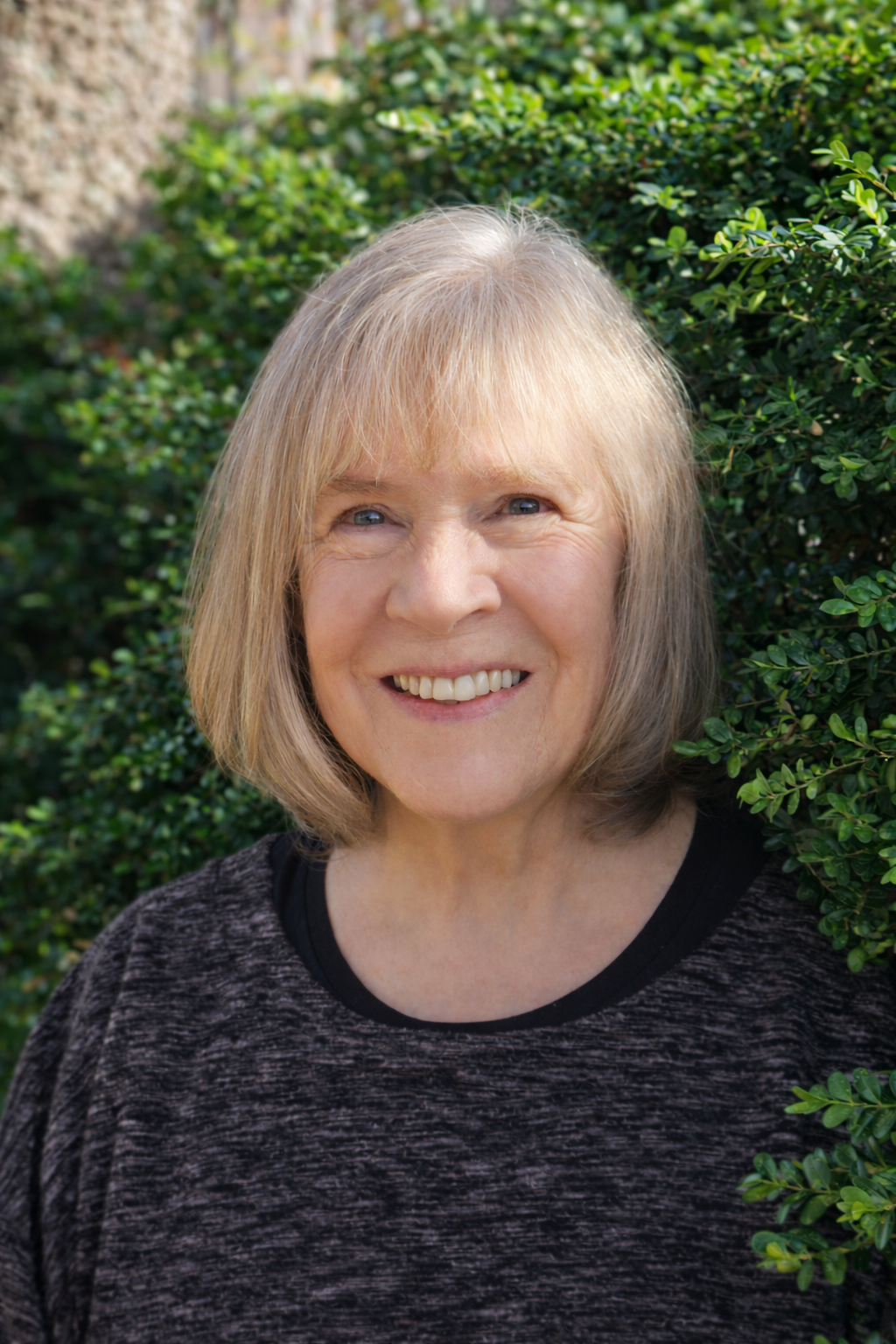
Author’s Note
As a backdrop for Sourland Farm I used real places and histories. The Sourland Mountain of central New Jersey, long rumored to be haunted, has always been steeped in Lenni-Lenape history, Revolutionary War dramas, tales of refuge for runaway slaves, and folks living outside the norms of the times. In 1880, The New York Times published an article titled “Barbarism in New-Jersey,” describing the miscegenation and odd lifestyles that have always been associated with its name. The atmosphere of otherness made it an ideal setting for a story that mirrors Wuthering Heights.
This novel is not just a modernization but a chapter by chapter analogue. It began as an experiment in translation, after rereading Emily Brontë’s novel and realizing how much of its emotional depth is no longer accessible to the modern reader.
I wanted to see what would happen if her characters’ temperaments and circumstances were transported into a modern period, where the language, psychology, and mores differ, but the human needs remain the same.
When certain moments in Brontë’s book that are literal in her world become impossible in ours, I converted them to dreams or inner thoughts. I wanted to maintain historical empathy, to preserve the original’s moral and psychological truth.
Like Brontë, I am fascinated by how love and cruelty can coexist, how trauma is inherited, and how forgiveness is the final freedom. Sourland Farm is my homage to her and to the places that hold their own ghosts.
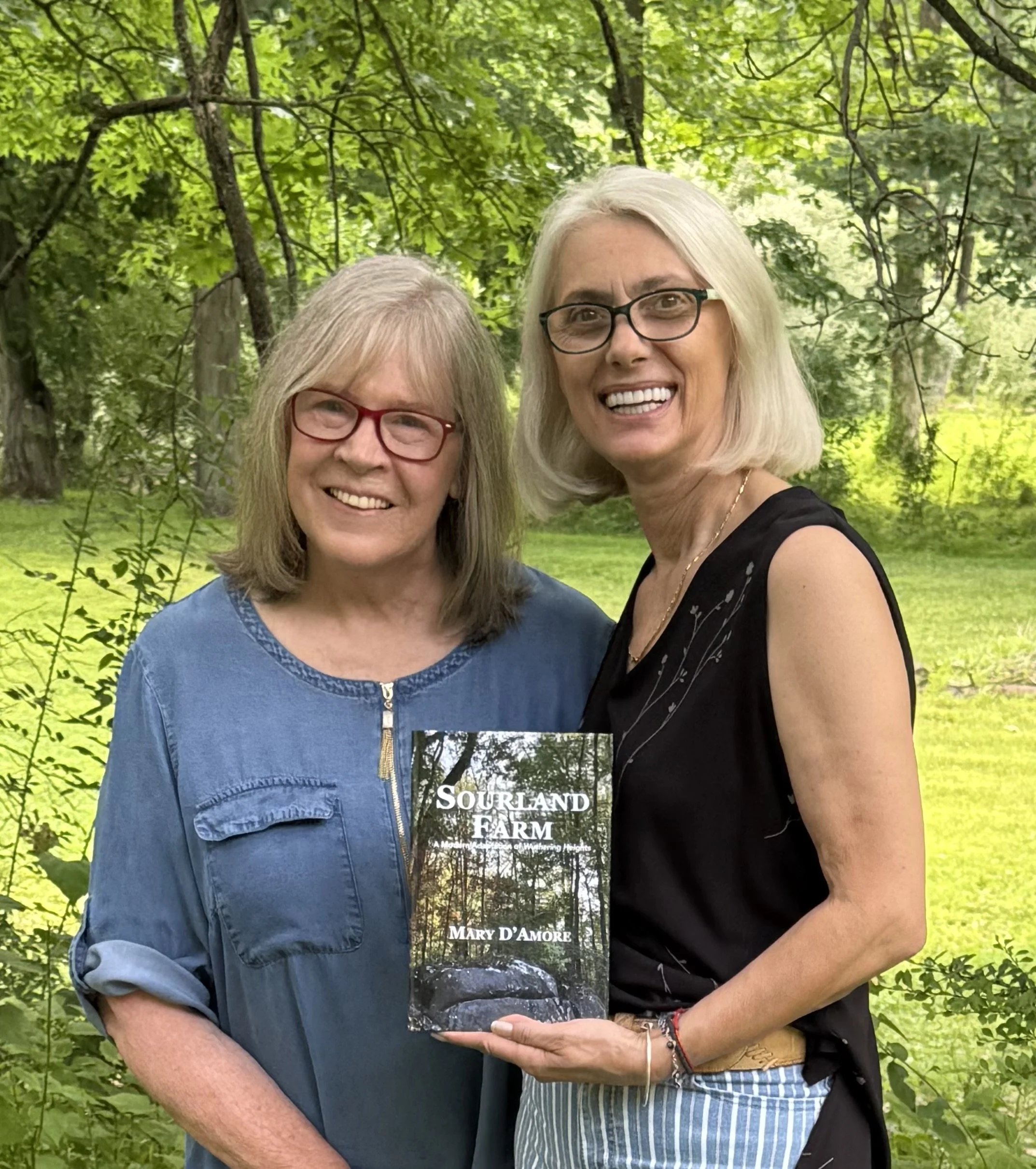
The real Tzvetelina Koleva, who lent her name and a bit of her Bulgarian background to the main character and narrator of Sourland Farm.
And for those who have not read Brontë’s masterpiece, Sourland Farm is a stand-alone novel with no need to have experienced its archetype.