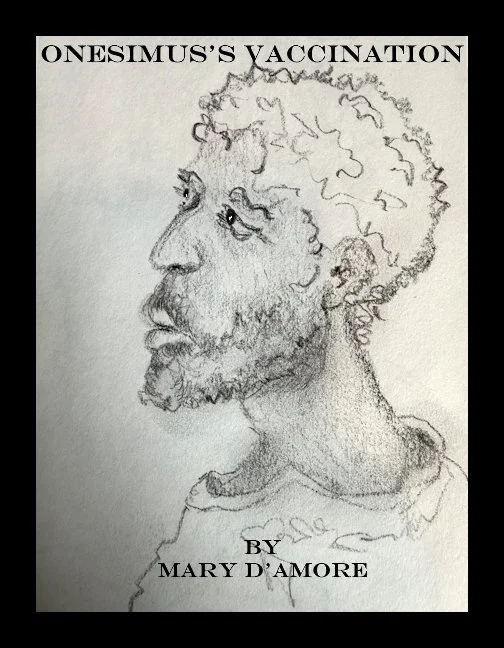
Onesimus’s Vaccination
(Due for Publication 2027)
In 1716, an enslaved African man named Onesimus told his Puritan enslaver, Cotton Mather, about a medical practice he had undergone in Africa. Onesimus explained that he had been deliberately given a small amount of smallpox, which caused a mild illness and then protected him from ever getting the disease again.
This practice, now known as inoculation, was unfamiliar and frightening to most colonists.
When smallpox swept through Boston, many families refused to listen. Fear, mistrust, and resistance to unfamiliar knowledge outweighed evidence, even as the disease spread and killed thousands.
What many in Boston did not realize was that inoculation was already ancient. Versions of this practice had developed independently in several parts of the world, including India, China, and West Africa. Records show that the idea of deliberately introducing a small amount of disease to prevent severe illness existed as early as 570 AD.
This story tells how life-saving medical knowledge crossed cultures, and how prejudice and fear delayed its acceptance. It reminds us that some of the most important scientific ideas did not begin in Europe, and that listening can be as powerful as discovery.
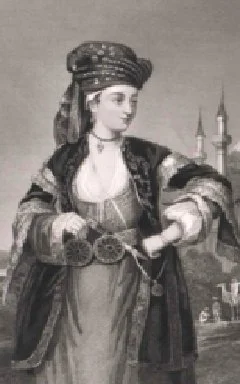
Onesimus, an African man, and Lady Mary Wortley Montagu, an English aristocrat, made significant contributions that deserve recognition.
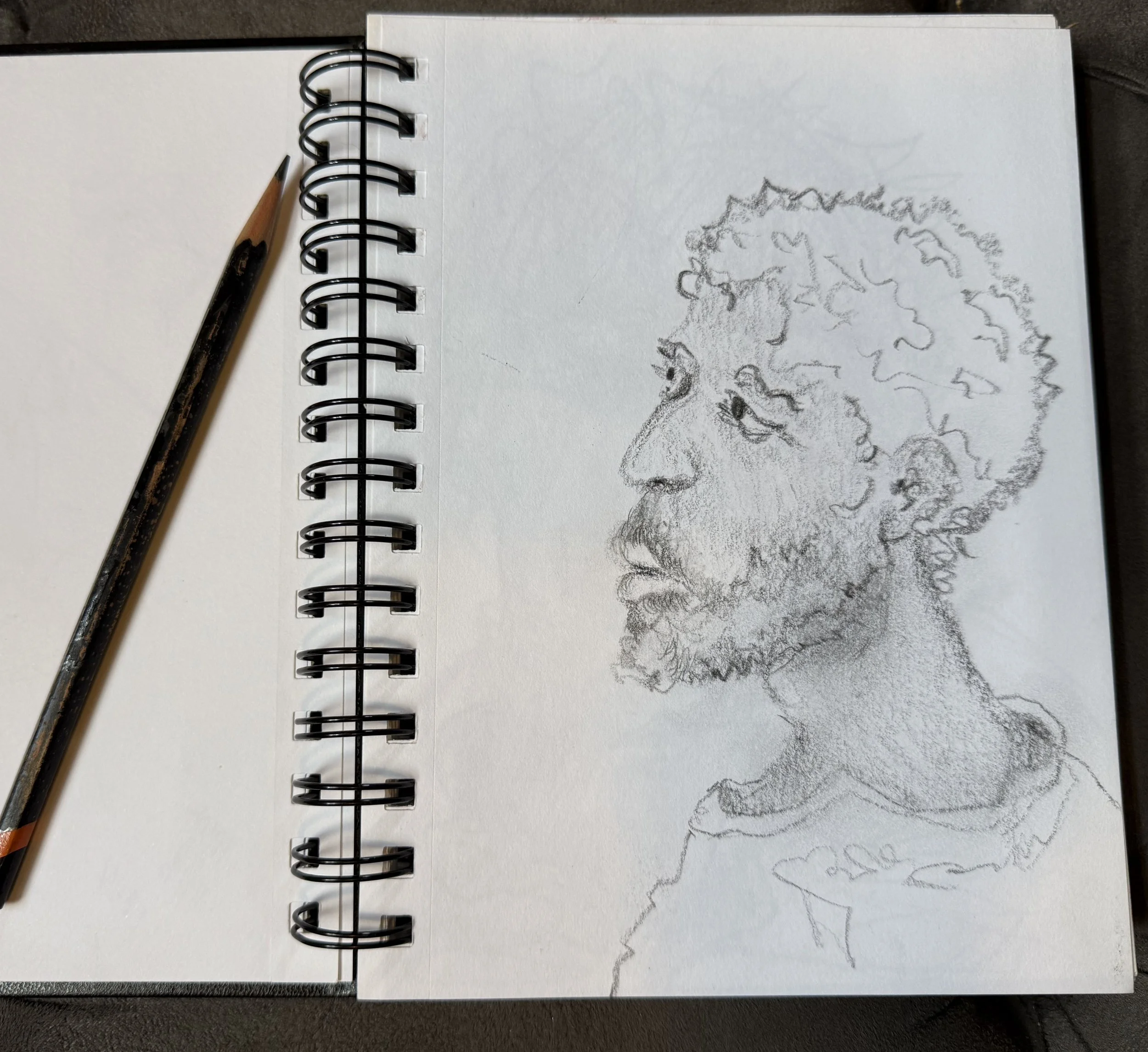
Pencil sketch of Onesimus
© 2026 Mary D’Amore, All Rights Reserved